Ir directamente al contenido


If you ask a Venezuelan what Christmas smells like, they won't say pine. They'll say "asado negro." That mix of panela caramelizing in the pot, the meat slowly browning, the wine reducing with the onion and cumin. There's no other dish in Venezuelan cuisine that carries so much emotion in a single bite.
Asado negro is a slow-cooked dish that transforms an economical cut of meat into something extraordinary. It's not difficult to make, but it demands patience. If you give it time, the reward is meat that falls apart with a fork and a dark, sweet, and deep sauce that is unlike anything else in the world.
This is the complete recipe: no shortcuts, with real explanations, and all the secrets to make it just like a Caracas grandmother's.
What is Venezuelan Asado Negro?
Asado negro is a traditional Venezuelan dish consisting of a cut of beef—usually eye of round—slowly cooked in a dark sauce made with caramelized panela, red wine, onion, garlic, bell pepper, and spices. The result is extremely tender meat bathed in an almost black sauce, hence its name.
It is the centerpiece of the Venezuelan Christmas dinner, accompanying hallacas, pan de jamón, and chicken salad. But it is not exclusive to December. In many Venezuelan families, asado negro appears on birthdays, special Sundays, or any occasion that deserves a meal that feels like a celebration.
What distinguishes asado negro from other Latin American beef stews is precisely that sauce. The caramelized panela gives it a deep sweetness that contrasts with the saltiness of the meat and spices, creating a complex flavor profile that is hard to describe until you taste it.
Cultural note: In Venezuela, a good asado negro is a source of family pride. Every household has its version, and every cook swears theirs is the best. It's one of those dishes where the recipe is inherited and protected.
Why Asado Negro Tastes the Way It Does: The Science Behind the Sauce
The magic of asado negro lies in the combination of two chemical processes that occur during cooking and transform simple ingredients into something extraordinary.
Caramelization of panela: When panela is slowly heated, its sugars break down and create hundreds of new compounds that provide subtle bitterness, toasted sweetness, and that characteristic dark color. This is the base of the entire sauce.
Maillard reaction in the meat: When you sear the meat over high heat, the proteins and sugars on the surface react, creating a golden crust full of flavor. Those residues that stick to the bottom of the pot (the "fond") are pure culinary gold that is later incorporated into the sauce.
These two processes, combined with three hours of slow cooking, dissolve the collagen in the meat and concentrate all the flavors until the sauce reaches that dense consistency and almost black color. There's no way to speed this up without sacrificing the result.
Ingredients for Asado Negro
For the Meat and Searing
|
1.5 kg |
Eye of round |
|
3 tablespoons |
Vegetable oil |
|
1 teaspoon |
Salt |
|
½ teaspoon |
Black pepper |
|
1 teaspoon |
Ground cumin |
|
6 cloves |
Crushed garlic |
For the Sauce
|
250 g |
Panela (unrefined cane sugar), grated or in small pieces |
|
2 large |
Onions, finely chopped |
|
1 |
Red bell pepper, diced |
|
1 cup |
Dry red wine |
|
2 cups |
Beef broth |
|
2 tablespoons |
Worcestershire sauce |
|
3 tablespoons |
Tomato paste |
|
2 leaves |
Bay leaves |
About panela: If you can't find Venezuelan panela, Colombian panela or Mexican piloncillo are exactly the same thing with different names. You can find them in any Latin store. Ultimately, you can use dark brown sugar, but the result won't be identical.
How to Make Venezuelan Asado Negro Step-by-Step
Step 1 — Prepare and Sear the Meat
Season the eye of round generously with salt, pepper, and cumin on all sides. If you have time, let it marinate in the refrigerator with the crushed garlic for at least two hours or, ideally, overnight. This step is not mandatory, but it does make a difference.
In a large, heavy pot—a Dutch oven or the heaviest pot you have—heat the oil over high heat. When the oil is very hot and begins to shimmer, place the meat. Do not move it. Let it cook for three or four minutes on each side until a dark, golden crust forms. You want to sear all sides, including the ends.
Key: Searing does not "seal in the juices" as the myth says. What it does is create flavor through the Maillard reaction. That golden crust and the residues left in the pot are fundamental to the depth of the sauce. Do not skip this step.
Remove the meat and set aside. Do not wash the pot. Everything that stuck to the bottom is pure flavor.
Step 2 — Caramelize the Panela
This is the step that defines asado negro. In the same pot where you seared the meat, lower the heat to medium-low. Add the grated or small pieces of panela. Stir constantly with a wooden spoon as it slowly melts.
You want the panela to melt and caramelize until it forms a dark, thick, almost black liquid. This takes between eight and ten minutes. It smells intense and sweet, almost smoky. The exact point is when the color changes from golden brown to very dark brown and the texture becomes syrupy.
Warning: There is a fine line between caramelizing and burning. If the panela starts to smoke a lot or smells bitter, immediately lower the heat. If it burns, the bitterness will ruin the entire dish. It is better to go slow and safe.
Step 3 — Slow Cooking (3 to 3.5 hours)
Raise the heat to medium and add the onions, garlic, and bell pepper to the caramelized panela. Sauté for five or six minutes, stirring, until the onion is translucent and everything is well integrated with the dark caramel.
Add the red wine and scrape the bottom of the pot well with the wooden spoon. Everything that was stuck will be incorporated into the sauce. Let the wine reduce for three or four minutes.
Return the meat to the pot. Add the beef broth, Worcestershire sauce, tomato paste, and bay leaves. The liquid should cover at least three-quarters of the meat. If not enough, add a little more broth or water.
Bring to a boil, then reduce to very low heat. Cover the pot and cook for three to three and a half hours. Flip the meat every forty-five minutes so that it cooks evenly and absorbs flavor from all sides.
The meat is ready when you can insert a fork and the meat falls apart effortlessly. If it still resists, give it thirty more minutes. Patience here is what separates a good asado negro from an extraordinary one.
Step 4 — The Final Sauce
Carefully remove the meat and let it rest for fifteen minutes on a cutting board. This allows the juices to redistribute and prevents the meat from falling apart when sliced.
If the sauce is too liquid, cook uncovered over medium heat for ten to fifteen minutes until it thickens to your desired consistency. The ideal sauce is dense but still fluid, capable of coating the back of a spoon.
Taste and adjust the salt. Slice the meat into thick slices, approximately one and a half centimeters. Generously bathe with the dark sauce. Serve hot.

Tips for a Perfect Asado Negro
Make the roast the day before: Asado negro ALWAYS tastes better the next day. The flavors deepen, the sauce settles, and the meat absorbs more. If you can, cook it a day before, refrigerate, and gently reheat.
Don't skimp on panela: It's tempting to use less so it's not too sweet, but panela doesn't just add sweetness. It adds color, body, and caramelized bitterness. The 250 grams are necessary for the correct balance.
The wine matters: Use a red wine that you would drink. It doesn't have to be expensive, but it should be dry and decent. A bad wine produces a sauce with unpleasant acidity.
The right pot: A thick, heavy-bottomed pot distributes heat evenly and prevents the sauce from sticking. If you only have thin pots, watch more closely and stir frequently.
To freeze: Asado negro freezes exceptionally well. Slice it, cover with sauce, and store in airtight containers. It lasts up to three months. Reheat slowly in a bain-marie or in a pot over low heat.
What Cut of Meat to Use?
The classic and preferred cut for asado negro is eye of round. It's a lean, economical, and firm cut that greatly benefits from slow cooking. After three hours in the sauce, it transforms into something incredibly tender.
If you can't find eye of round, these are good alternatives: bottom round, which is slightly juicier; rump roast, with a little more intramuscular fat; or boneless beef shank, which is more gelatinous but produces a richer sauce.
Avoid cuts with too much external fat like flank steak or very tender cuts like tenderloin. Asado negro needs a cut that can withstand three hours of cooking without falling apart into shreds.
Can It Be Made in a Pressure Cooker or Slow Cooker?
|
Method |
Advantage |
Consideration |
|
Traditional pot |
Maximum control and flavor |
3-3.5 active hours |
|
Pressure cooker |
Ready in 50-60 minutes |
Less sauce reduction, adjust at the end |
|
Slow cooker |
Set and forget: 7-8 hours |
Sear and caramelize beforehand in a separate pan |
The traditional pot yields the best results because it allows the sauce to reduce gradually while the meat cooks. But if time is an issue, both the pressure cooker and slow cooker work. The step you should not skip in any case is searing the meat and caramelizing the panela in a conventional pot before transferring.
What to Serve with Asado Negro

At the Venezuelan Christmas table, asado negro is never alone. These are the classic accompaniments that complete the picture:
White rice: the default side dish. The rice absorbs the dark sauce and creates that combination that every Venezuelan instantly recognizes.
Sweet plantain slices: fried until golden and caramelized. The sweetness of the plantain complements the sweetness of the panela spectacularly.
Chicken salad: the Venezuelan salad with chicken, potatoes, carrots, peas, and mayonnaise. It provides freshness and a contrast of textures.
Hallacas: the Venezuelan tamale wrapped in plantain leaves. If you're having a complete Christmas dinner, hallacas are indispensable.
Pan de jamón: the Venezuelan Christmas bread filled with ham, olives, and raisins. A bite that perfectly concludes the dinner.
The Dish That Unites All of Venezuela
Asado negro is not just food. It is the dish that unites generations, that defines Christmas, that appears at the most important moments in a Venezuelan's life. It is the smell of grandma's kitchen, the taste of December 24th, the recipe that is inherited and defended.
Preparing it outside Venezuela is an act of self-love. It is saying: even though I am far away, my table is still Venezuelan. And when you accompany it with the usual flavors—a Toddy afterward, a Susy for dessert, a Cocosette to snack on—the distance feels a little shorter.
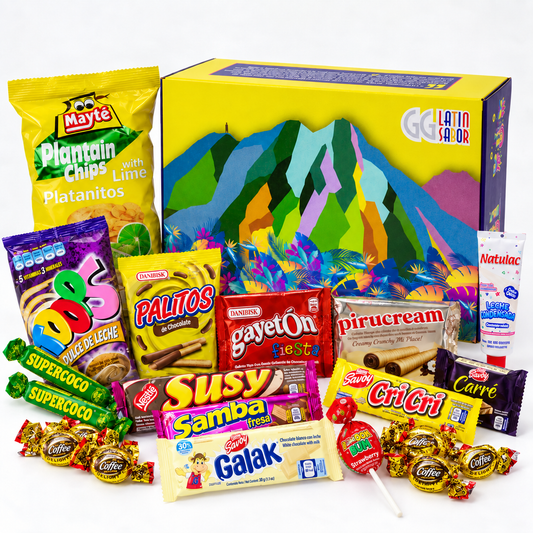
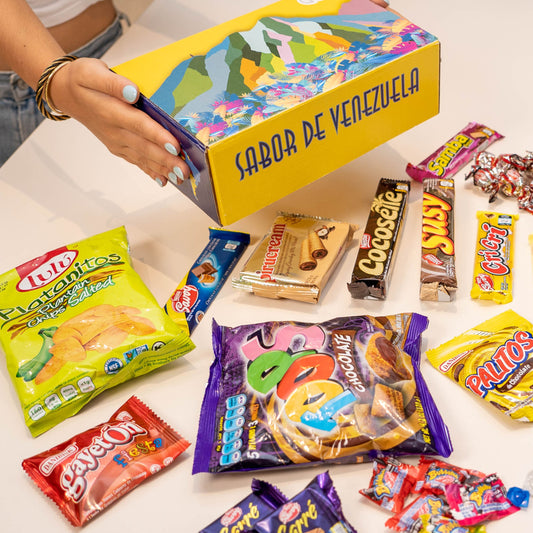
Want to complete your Venezuelan table with something sweet? After the asado negro, end dinner properly with the Gigi Delight Venezuelan Sweets Box: 30 authentic treats like Toddy and Cocosette, shipped directly to your door in the United States.
Frequently Asked Questions About Venezuelan Asado Negro
What cut of meat is used for Venezuelan asado negro?
The traditional cut is eye of round. It is a lean and firm cut that becomes tender with slow cooking. Valid alternatives include bottom round or rump roast.
What is panela and why is it essential for asado negro?
Panela is unrefined cane sugar, also known as piloncillo in Mexico. When caramelized, it creates the dark, sweet, and deep sauce that defines asado negro. Without it, the dish loses its identity.
How long does asado negro take to cook?
In a traditional pot, between 3 and 3.5 hours of slow cooking over low heat, plus about 20 minutes of preparation and searing beforehand. In a pressure cooker, it is reduced to 50-60 minutes of cooking. In a slow cooker, 7-8 hours on low.
Can asado negro be made without panela?
Technically you can substitute it with dark brown sugar mixed with a tablespoon of molasses, but the result is not the same. Panela provides a specific flavor profile—between toasted, smoky, and sweet—that refined sugar cannot replicate. It's worth looking for it in Latin stores.
What is Venezuelan asado negro served with?
Classic side dishes include white rice, fried ripe plantain slices, and chicken salad. At Christmas, it is served with hallacas and ham bread to complete the traditional Venezuelan table.